
Technical Overview of Leading UAV Platforms for Engineering Applications
This article provides a detailed technical overview of prominent unmanned aerial systems (UAS) used in engineering fields. It covers platform types, capabilities, and selection criteria relevant to engineering professionals.
Introduction
This article examines key unmanned aerial systems (UAS) relevant to engineering applications. Understanding the technical capabilities and configurations of leading UAV platforms is essential for selecting appropriate systems for tasks such as surveying, inspection, and data acquisition.
UAV Platform Categories
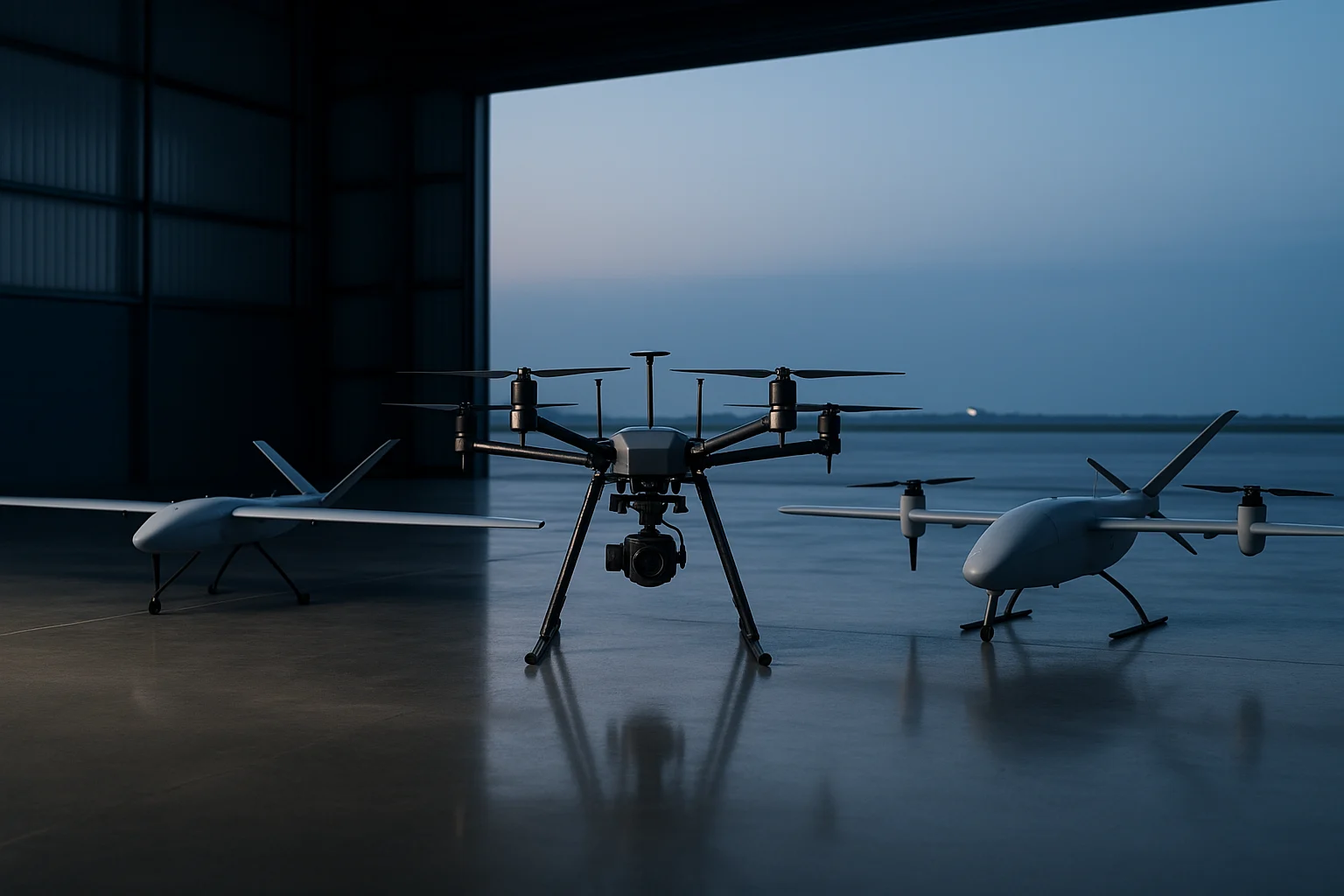
UAVs are broadly categorized by their configuration and operational capabilities. The main types include fixed-wing, multirotor, and VTOL (Vertical Take-Off and Landing) platforms.
Fixed-Wing UAVs
Fixed-wing UAVs offer longer endurance and range due to aerodynamic efficiency. They are suitable for large-area surveys and mapping. However, they require runways or catapult systems for launch and recovery.
Multirotor UAVs
Multirotor UAVs provide vertical takeoff and landing, hover capability, and precise maneuverability. They are commonly used for inspection and close-proximity data collection but have limited flight endurance compared to fixed-wing types.
VTOL UAVs
VTOL UAVs combine the endurance of fixed-wing aircraft with the vertical takeoff and landing capability of multirotors. This hybrid design is advantageous for operations in confined areas without runway access.
Technical Specifications to Consider
When evaluating UAV platforms, engineers should consider the following parameters:
- Endurance: Flight duration depends on battery capacity, propulsion efficiency, and payload weight.
- Payload Capacity: The maximum weight the UAV can carry, including sensors and equipment.
- Range: Operational distance from the control station.
- Flight Stability: Important for data quality, influenced by control algorithms and airframe design.
- Sensor Integration: Compatibility with cameras, LiDAR, multispectral sensors, etc.
Examples of Leading UAV Platforms
While specific models vary by manufacturer and application, representative examples include:
- Fixed-wing UAVs optimized for photogrammetry and large-scale mapping.
- Multirotor UAVs equipped with high-resolution cameras for infrastructure inspection.
- VTOL UAVs designed for rapid deployment and flexible mission profiles.
Selection Criteria
Choosing the appropriate UAV platform depends on mission requirements such as area coverage, data resolution, environmental conditions, and regulatory constraints.
Conclusion
A thorough understanding of UAV platform types and their technical characteristics enables engineers to select systems optimized for their specific applications. This approach improves operational efficiency and data quality.
FAQ
What factors determine UAV endurance?
Endurance is primarily influenced by battery capacity, propulsion system efficiency, payload weight, and aerodynamic design.
How do VTOL UAVs differ from fixed-wing and multirotor types?
VTOL UAVs combine vertical takeoff and landing capabilities with the efficient forward flight of fixed-wing designs, enabling operations in confined spaces without runways.
What payloads are commonly used in engineering UAV applications?
Common payloads include high-resolution RGB cameras, LiDAR sensors, multispectral cameras, and thermal imagers.
How does UAV choice affect data accuracy?
Flight stability, sensor quality, and flight planning impact data accuracy. Selecting a UAV with appropriate capabilities for the mission is critical.
References
- Technical specifications and operational principles of UAV platforms [VERIFICATION REQUIRED]
- Industry standards for UAV payload integration [VERIFICATION REQUIRED]
- Regulatory frameworks affecting UAV operations [VERIFICATION REQUIRED]
- #uav-technology
- #aerospace-engineering
- #drone-operations
Professional insights, occasionally
Related content

Simulation Does Not Replace Engineering Judgement
Software will happily solve the wrong problem to twelve significant figures. The engineer's job is deciding which problem is worth solving…
Five Questions to Ask Before Commissioning a Drone Survey
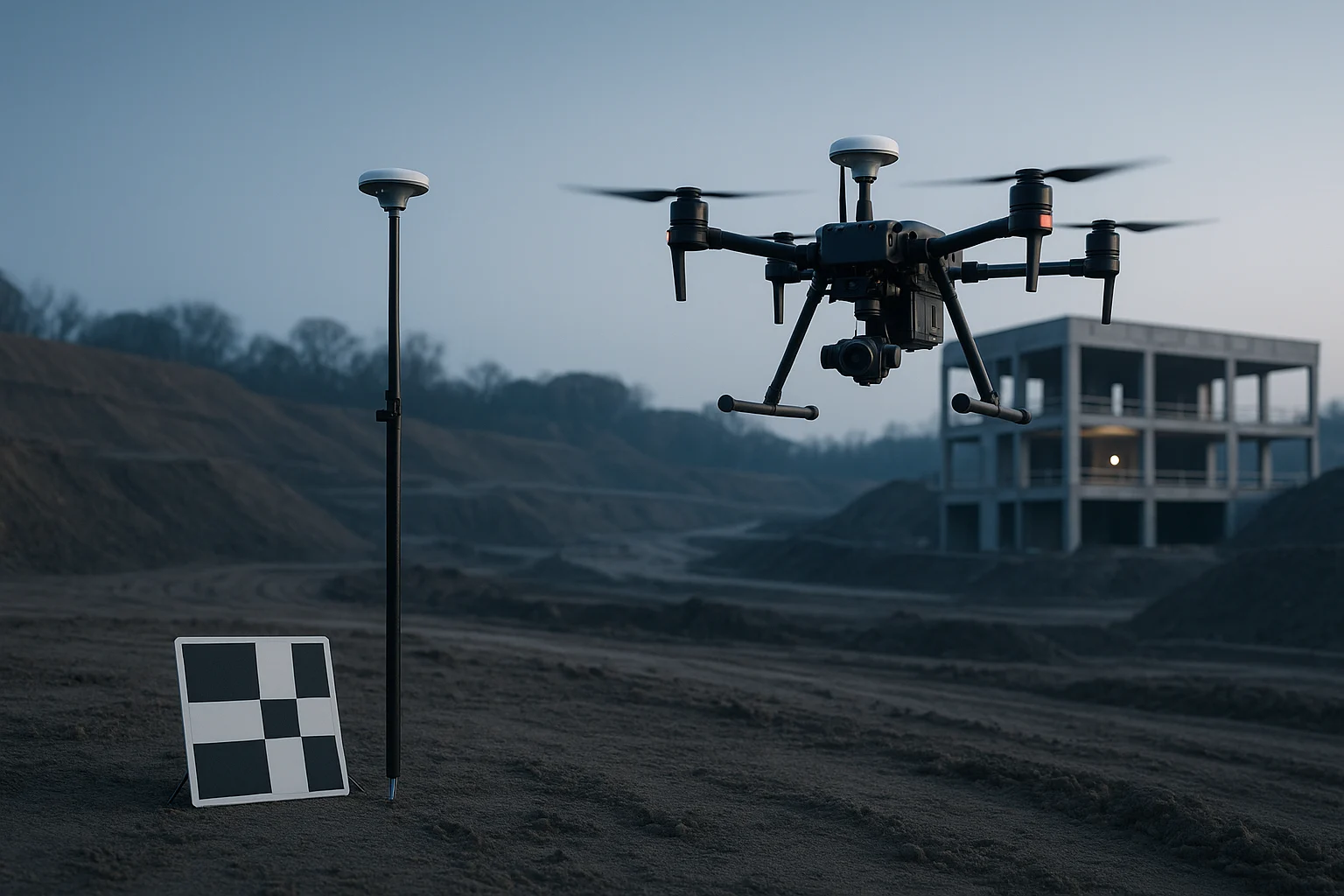
Aerial survey quotes vary enormously for work that sounds identical. These five questions expose what you are actually being offered — and…

AI That Earns Its Place
The interesting question is rarely whether machine learning can be applied, but whether it should be. A surprising number of problems are…